
As technology landscape is evolving in today’s world, intelligent computing centers are becoming the backbone of innovation. These high-performance computing facilities are not just data hubs—they are smart, adaptive environments where artificial intelligence (AI) and advanced computing intersect. From cloud AI hubs to distributed computing centers, organizations are leveraging these intelligent infrastructures to solve complex problems, accelerate research, and optimize operations. For businesses, researchers, and tech enthusiasts, understanding how these centers operate can unlock opportunities for innovation and efficiency.
Imagine a facility where thousands of AI-powered servers work together seamlessly, analyzing massive datasets in real-time, and providing insights that can change the future of medicine, finance, or logistics. That’s what an intelligent computing center does. Yet, many people still think of data centers as boring storage warehouses. The truth is far more exciting—these centers combine hardware, software, and AI algorithms to create adaptive, powerful computing ecosystems. In this guide, we’ll explore how intelligent computing centers work, their benefits, real-world applications, and what the future holds for these cutting-edge hubs.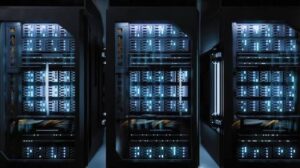
Introduction to Intelligent Computing Centers
An intelligent computing center is a specialized facility designed to handle massive computing tasks using advanced hardware and AI software. Unlike traditional data centers, these centers are optimized for complex problem-solving, high-speed data processing, and artificial intelligence research. They serve multiple purposes: running simulations, supporting cloud-based AI services, and enabling high-performance computing for enterprises and research labs.
Purpose and Importance
The main goal of intelligent computing centers is to provide a scalable, efficient, and secure environment for computing-intensive tasks. These centers are crucial for industries like healthcare, where analyzing genomic data can save lives, or finance, where real-time trading algorithms require massive computational power. By integrating AI, machine learning, and advanced hardware, these centers improve decision-making, reduce operational costs, and accelerate innovation.
History and Evolution
The concept of intelligent computing centers evolved from traditional data centers. Initially, data centers were simple warehouses for servers, designed primarily to store and process information. As AI and machine learning became more mainstream, the need for specialized computing centers emerged. Today, these facilities are equipped with AI accelerators, GPUs, and edge computing devices that support high-speed data analysis and cognitive computing tasks.
From Traditional Data Centers to AI-Focused Hubs
Early data centers focused on storage and redundancy. They handled business applications, emails, and basic computing tasks. However, the explosion of big data and AI research demanded more. Intelligent computing centers emerged as hubs that could process vast datasets efficiently. They are now central to cloud platforms like Microsoft Azure AI Labs and IBM Research facilities, where AI workloads are managed at scale.
Architecture of Intelligent Computing Centers
The architecture of these centers is designed to maximize performance, scalability, and efficiency. A typical intelligent computing center integrates advanced hardware, software frameworks, and networking systems to handle complex workloads.
Hardware Components
High-performance hardware is at the heart of intelligent computing centers. This includes:
- CPUs: Modern multi-core processors designed for parallel processing.
- GPUs: Graphics Processing Units optimized for AI and machine learning tasks.
- AI accelerators: Specialized chips like TPUs that speed up neural network computations.
- Storage systems: High-speed SSDs and distributed storage for large datasets.
For more technical insight into hardware, see chip packaging explained, which details how processors and chips are structured for high efficiency.
Software and AI Frameworks
Hardware alone is not enough. Intelligent computing centers rely on software frameworks to manage AI workloads. Platforms like TensorFlow, PyTorch, and cloud management tools orchestrate tasks across thousands of servers. These frameworks allow developers and researchers to train complex AI models efficiently and deploy solutions at scale. Integrating software with hardware ensures optimal performance and reduces latency.
Networking and Data Flow
Efficient data flow is critical. High-speed networking equipment, like InfiniBand and fiber-optic connections, ensures that servers communicate seamlessly. Intelligent computing centers often use distributed computing models, where workloads are spread across multiple nodes to prevent bottlenecks. This architecture allows them to process massive datasets in real-time, enabling AI models to deliver faster and more accurate predictions.
Types of Intelligent Computing Centers
Not all intelligent computing centers are the same. Depending on their purpose and design, they can be categorized into several types.
Cloud-Based AI Centers
Cloud-based centers offer AI processing as a service. Organizations can access massive computing resources without investing in physical infrastructure. Services like AWS AI, Google Cloud AI, and Microsoft Azure AI provide scalable, on-demand computing power, making AI accessible to businesses of all sizes.
Edge AI Hubs
Edge AI centers bring computing closer to data sources. For example, a smart factory may use edge computing to analyze sensor data locally before sending it to the cloud. This reduces latency, enhances security, and enables real-time decision-making. Edge AI is particularly important in industries like autonomous vehicles and IoT devices.
Academic and Research Labs
Universities and research institutions operate intelligent computing centers to advance AI and high-performance computing research. These centers often collaborate with industry partners and provide computing resources for complex simulations, scientific research, and AI experiments. Check out GPT-5 impact on AI to see how AI research is evolving with these centers.
Applications and Use Cases
Intelligent computing centers are more than just impressive tech hubs—they solve real-world problems across industries.
AI Research
Researchers use these centers to train neural networks, perform simulations, and analyze massive datasets. For example, AI models for drug discovery rely on intelligent computing centers to analyze millions of molecular interactions in days instead of years.
High-Performance Computing
Industries like aerospace, energy, and finance use these centers to perform complex simulations. High-performance computing allows companies to model climate change scenarios, optimize logistics, or predict financial market trends accurately.
Cloud Services and SaaS
Cloud providers use intelligent computing centers to power AI-driven SaaS products. Services like AI chatbots, recommendation engines, and analytics platforms all rely on these centers to deliver fast, scalable, and reliable solutions to users worldwide.
Industrial Automation
Smart factories and manufacturing plants leverage AI hubs for predictive maintenance, process optimization, and robotics. By integrating intelligent computing centers, industries can reduce downtime, improve efficiency, and make data-driven decisions.
Benefits and Challenges
Intelligent computing centers provide significant advantages, but they also come with challenges that organizations must address.
Key Benefits
- High Efficiency: By leveraging AI-optimized hardware and software, these centers process massive datasets faster than traditional systems.
- Scalability: Organizations can easily scale resources up or down based on workload demands, especially in cloud-based centers.
- Improved Decision-Making: Real-time analytics and AI-driven insights enable faster and more accurate decisions across industries.
- Innovation Enablement: Access to high-performance computing allows researchers to test ideas quickly, accelerating innovation cycles.
- Energy Optimization: Advanced cooling and power management reduce energy consumption compared to older data centers.
Challenges to Consider
- High Cost: Setting up and maintaining intelligent computing centers requires substantial investment in hardware, software, and skilled personnel.
- Complexity: Integrating multiple AI frameworks, hardware accelerators, and networking systems can be technically challenging.
- Security Risks: Handling sensitive data, especially in research and healthcare, requires robust cybersecurity measures.
- Maintenance: Continuous monitoring and regular updates are essential to prevent downtime and ensure optimal performance.
Future Trends in Intelligent Computing Centers
The future of intelligent computing centers is both exciting and transformative. Emerging technologies will redefine how these centers operate and their impact on industries worldwide.
Quantum Computing Integration
Quantum computing promises to revolutionize AI and high-performance computing. Some centers are already experimenting with hybrid systems that combine traditional AI processors with quantum machines, enabling faster computations for complex simulations and cryptographic tasks. For organizations exploring next-generation solutions, staying updated on quantum advancements is essential.
Distributed and Cognitive Computing
Future intelligent computing centers will leverage distributed computing models that spread workloads across global networks. Cognitive computing, which mimics human thinking, will further enhance AI applications in decision-making, natural language processing, and predictive analytics.
Green AI and Sustainable Computing
Sustainability is becoming a priority. Intelligent computing centers are increasingly adopting energy-efficient hardware, renewable power sources, and advanced cooling systems to reduce environmental impact. Organizations can benefit from lower operating costs while contributing to environmental sustainability.
Helpful Tips for Leveraging Intelligent Computing Centers
- Assess Workload Needs: Understand your computational requirements before choosing a cloud or edge AI solution.
- Optimize Resource Allocation: Use orchestration tools to allocate resources efficiently across servers and tasks.
- Ensure Security: Implement multi-layered security protocols to protect sensitive data and AI models.
- Stay Updated: Regularly monitor AI framework updates and hardware advancements to maximize performance.
- Collaborate with Experts: Partnering with AI research labs or technology vendors can accelerate innovation and problem-solving.
Featured FAQ Section
1. What is an intelligent computing center?
An intelligent computing center is a facility designed to handle massive computing tasks using advanced hardware and AI software, optimized for high-performance and real-time data processing.
2. How do intelligent computing centers differ from traditional data centers?
Unlike traditional data centers that focus on storage, intelligent computing centers integrate AI, high-speed processors, and advanced software to solve complex computational problems efficiently.
3. Who can benefit from intelligent computing centers?
Businesses, researchers, and tech developers can all benefit. Industries like healthcare, finance, logistics, and AI research rely on these centers for faster, more accurate data processing.
4. What are the main types of intelligent computing centers?
There are cloud-based AI centers, edge AI hubs that process data locally, and academic or research labs for AI experimentation and high-performance computing.
5. Are intelligent computing centers expensive?
Yes, setting up and maintaining them can be costly due to advanced hardware, software, and skilled personnel. However, cloud-based options offer scalable and cost-effective solutions.
6. How do these centers support AI research?
They provide the computational power needed to train large AI models, run simulations, and analyze massive datasets, accelerating the pace of research and innovation.
7. What does the future hold for intelligent computing centers?
Future centers will incorporate quantum computing, distributed and cognitive computing, and sustainable energy practices, enabling even faster, smarter, and eco-friendly operations.
Final Thoughts
Intelligent computing centers are transforming how industries process data and apply AI. From enhancing research capabilities to powering cloud services and industrial automation, these centers are the engine driving innovation. Whether you are a business leader, researcher, or tech enthusiast, understanding and leveraging these centers can give you a competitive edge in today’s data-driven world. By integrating high-performance hardware, AI frameworks, and efficient architectures, intelligent computing centers are shaping the future of technology and human problem-solving.